AI CT Coronary Angiogram & Plaque Characterisation
We welcome
Our first batch of DNB Radiology students in Meenakshi hospital, Tanjore
See Beyond the Lumen, Assess the Risk, Prevent the Event
What is CTCA?
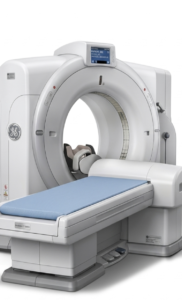
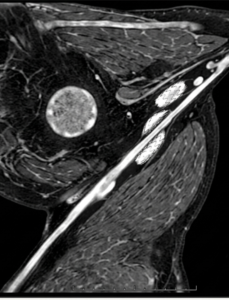
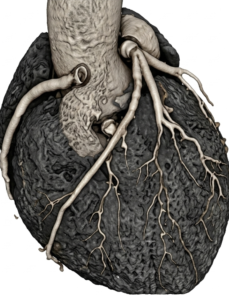
CT Coronary Angiography (CTCA) is a non-invasive imaging technique that visualizes coronary artery lumen and plaque, detects atherosclerosis and assesses stenosis using CT with iodinated contrast.
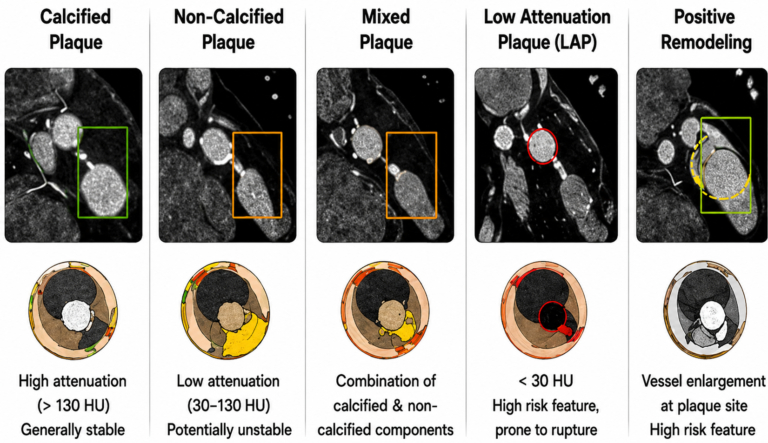
AI – Powered Plaque Characterisation
Increasing Risk of Adverse Cardiac Events
AI in CTCA – Added Value
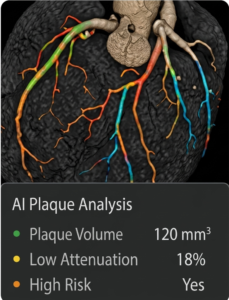
AI-powered automated detection of coronary plaques
Precise plaque segmentation & classification
Quantitative analysis of plaque burden, volume & composition
Early detection of subclinical atherosclerosis in young individuals with risk factors can lead to timely intervention and prevention of future cardiac events.
Who are High Risk Young Patients?
Strong family history of premature CAD
Dyslipidemia / elevated Lp(a)
Diabetes / Insulin resistance
Hypertension
Obesity / Metabolic syndrome
Smoking
Chronic inflammatory conditions
Stress, sedentary lifestyle
CTCA can Detect
Non-obstructive plaques
High risk plaque features
Early atherosclerosis
Anomalous coronary arteries
Detect Early • Risk Stratify Better • Prevent Future Events
Case Example – Young High Risk Patient (Age 35)
Male, 35 years, strong family history of CAD, dyslipidemia, occasional chest discomfort.
CTCA Findings
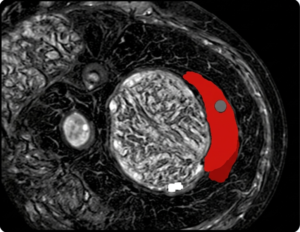
LAD – Mixed plaque with low attenuation part (red)
Non-obstructive mixed plaque in LAD
Low attenuation plaque (LAP) – high risk
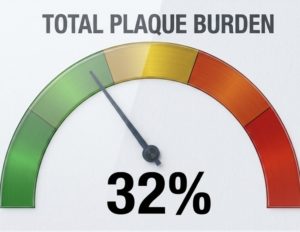
Total plaque burden – 32%
No significant stenosis
Management Impact
Intensified medical therapy
Lifestyle modification
Regular follow-up
Events prevented
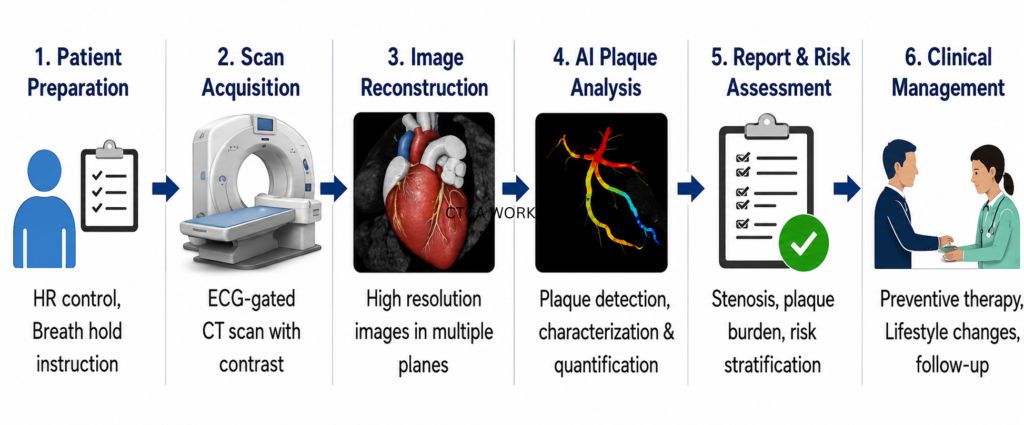
CTCA Workflow
From Detection to Prevention – CTCA changes the course of CAD
Key Takeaways
CTCA is the gatekeeper for non-invasive coronary evaluation
AI enhances accuracy, efficiency and risk prediction
Plaque characterization provides deeper insight than stenosis alone
In high risk young patients, CTCA enables early diagnosis and prevents future cardiac events
Advances in technology are making CTCA faster, safer and more powerful than ever
CTCA – The Future of Cardiac Imaging
Detect early
Assess precisely
Treat proactively
Save lives
"The best time to treat coronary artery disease is before it becomes obstructive."